
Description
Shea butter – hydrating, soothing, and regenerating
Hyaluronic acid – supports hydration and elasticity and helps improve skin comfort
Collagen – intensive hydration and skin-smoothing care
Vitamin E – supports regeneration and skin renewal and helps protect against free-radical formation
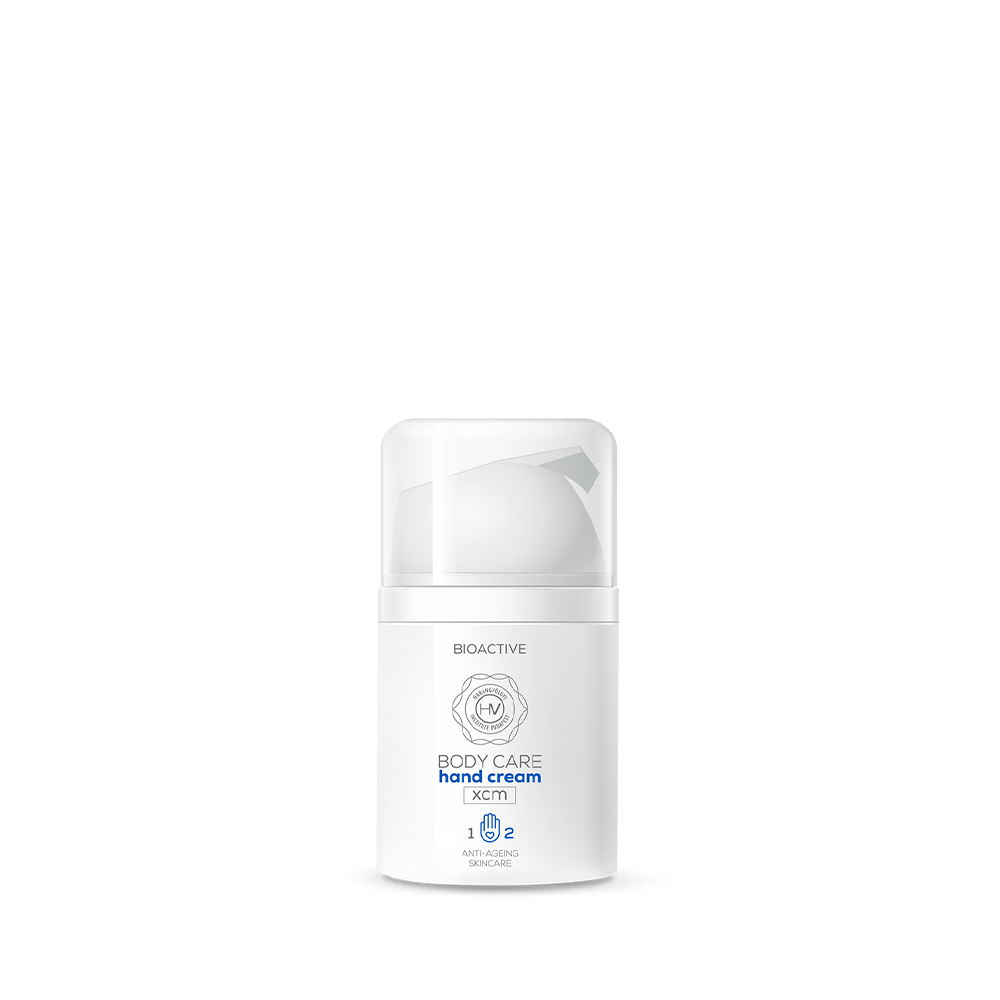
Cream 1 is a lightweight nanoemulsion that absorbs quickly and deeply, providing extra hydration to thirsty skin and leaving it feeling fuller and more cushioned.
Cream 2 helps rebuild the skin’s disrupted protective lipid barrier, making it especially soothing for highly sensitive and irritated skin and helping relieve the appearance of eczema-related dryness and discomfort. Used one after the other, the two creams provide comprehensive skin-regenerating care and deep hydration, supporting the skin’s natural recovery and protective barrier. For inflamed, severely flaky, itchy, eczema-prone skin, Cream 2 should be used on its own.
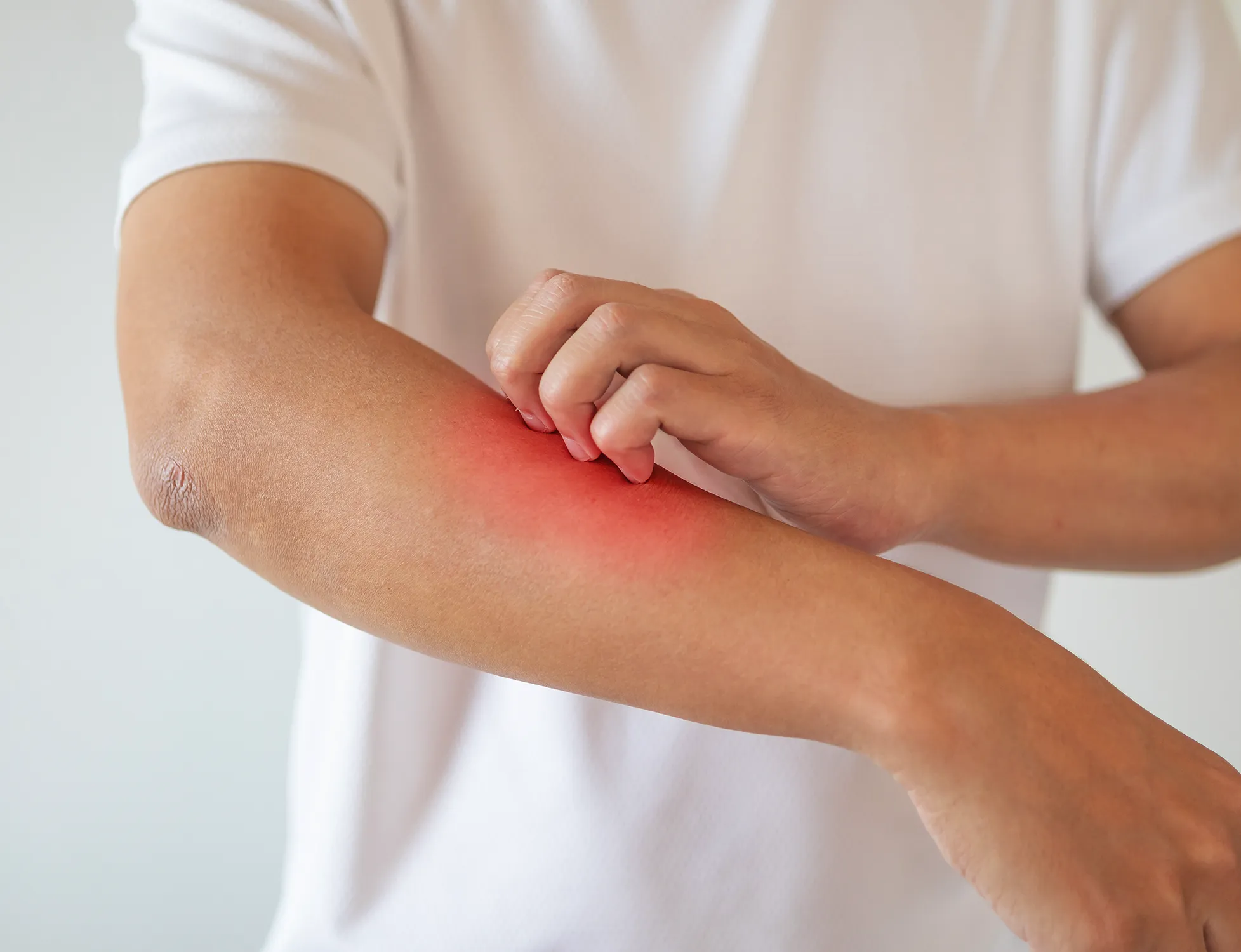
Eczema refers to inflammatory skin conditions that can appear suddenly or follow a long, slow, chronic course and are often described as forms of dermatitis.
The term dermatitis is often used synonymously with eczema—for example, atopic dermatitis (atopic eczema), contact dermatitis (contact eczema), and irritant dermatitis (irritant eczema)—although not every form of dermatitis is classified as eczema, such as dermatitis herpetiformis.
Exogenous forms of eczema can develop through a variety of mechanisms as a result of environmental factors, while individual predisposition plays a greater role in endogenous forms.
Castor oil – nourishes and hydrates, supports the natural skin barrier, and supports collagen and elastin production
Olive oil – deeply nourishing, helps maintain skin moisture, antioxidant and soothing
Almond oil – soothes, helps relieve inflammation, irritation, and itching, nourishes and hydrates
A dry, flaky, itchy skin condition can increase transepidermal water loss (TEWL), which can further increase dehydration, dryness, flaking, and inflammation. This can create a vicious cycle: scratching irritated, itchy skin causes further damage to the epidermal barrier and can trigger additional inflammatory processes. The skin becomes less resistant to mechanical stress, prolonged or recurring inflammatory reactions can develop, and the skin barrier may become further compromised. Reduced barrier function can also weaken the skin’s immune defenses. Chronic barrier dysfunction may contribute to sensitization and the development of allergic reactions to environmental substances. Examples include atopic dermatitis and different forms of contact dermatitis. When the barrier is compromised, the skin’s immune system does not function normally, and viral or other skin infections may occur more easily. Irritant, non-allergic contact eczema reflects a skin barrier weakened by chemical, physical, and/or biological factors. Environmental irritants can damage the outer barrier of the epidermis, while repeated or prolonged exposure to weak irritants can contribute to chronic irritant eczema. Prevention and consistent replenishment of the skin’s lipid and moisture barrier with protective creams are important parts of care. Allergic contact eczema occurs when an allergen in a person’s environment causes sensitization and triggers a cell-mediated immune response.
How to use
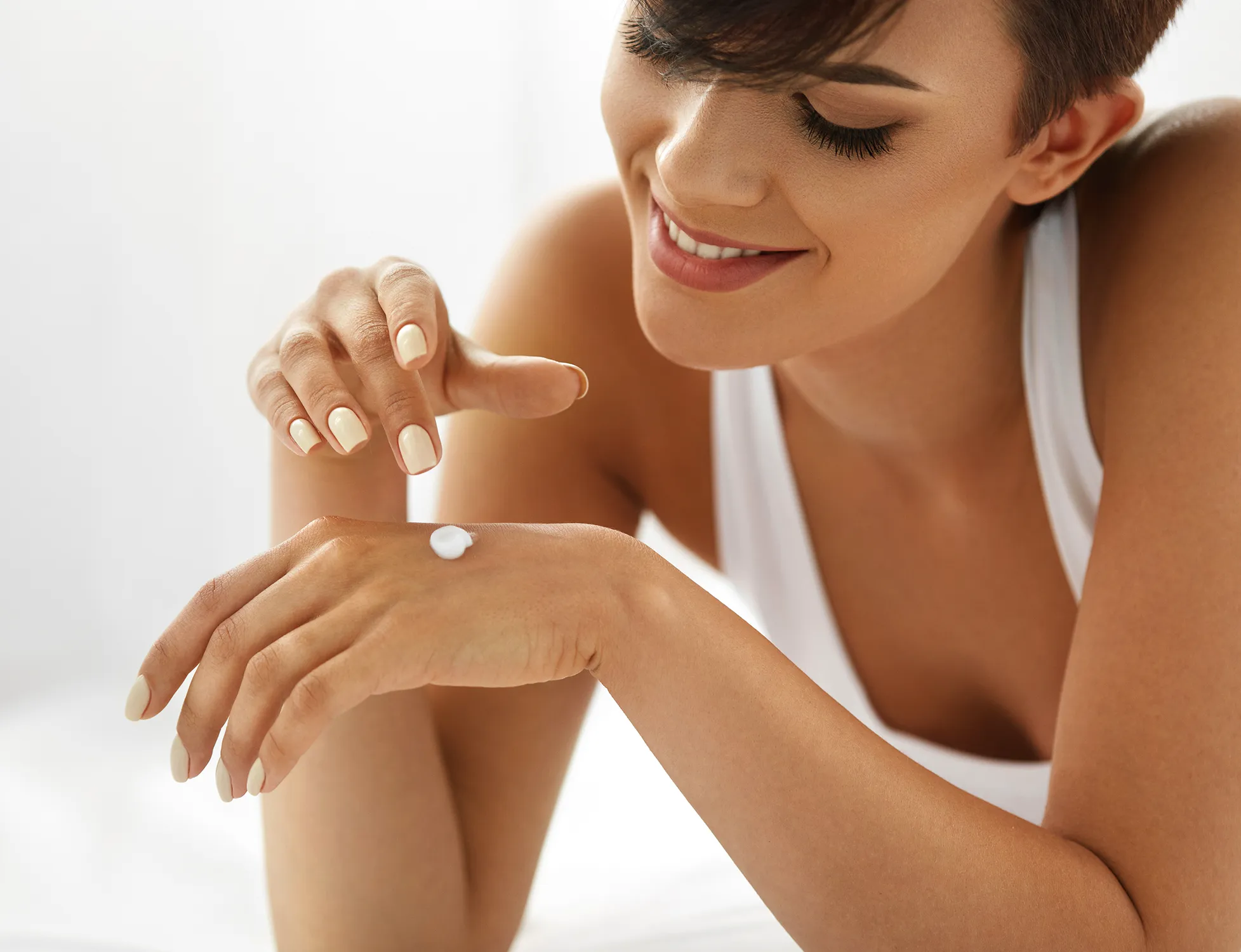
Apply 1–2 pumps to the back of the hands and massage thoroughly. Use twice daily.